

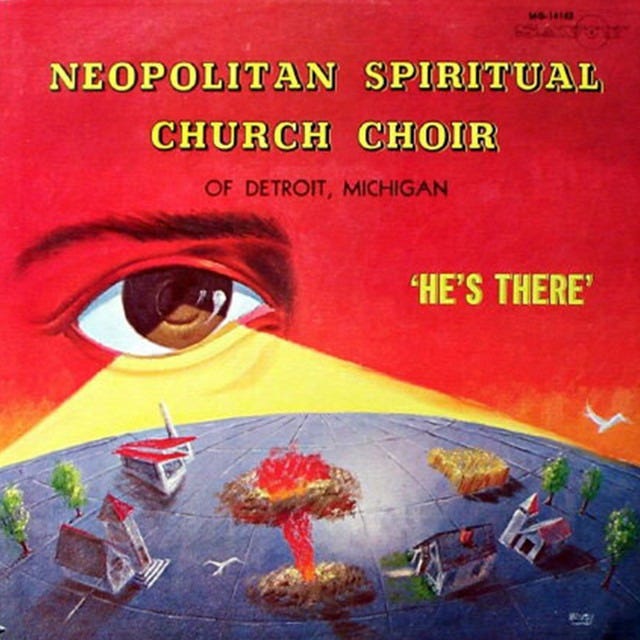
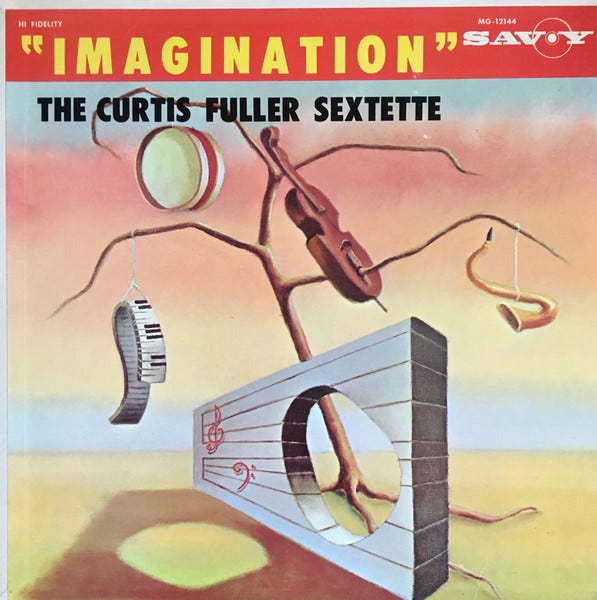
Throughout the 1960s Savoy Records (founded in Newark, New Jersey by notorious shyster Herman Lubinsky) released roughly 200 albums all featuring cover art by the same mysterious artist. Mostly gospel LPs, but occasionally jazz, each with an oil painting on the front cover done in the same strikingly vivid yet surreal style, and each signed simply “HARVEY”. The liner notes offered no additional clues - “Cover Art: Harvey”. These were not obscure titles by underground musicians, we’re talkin’ Charlie Parker, James Cleveland, Herbie Mann, Sun Ra - heavyweights of the era! James Cleveland’s “Peace Be Still” (1963) was gospel’s first million-selling album.
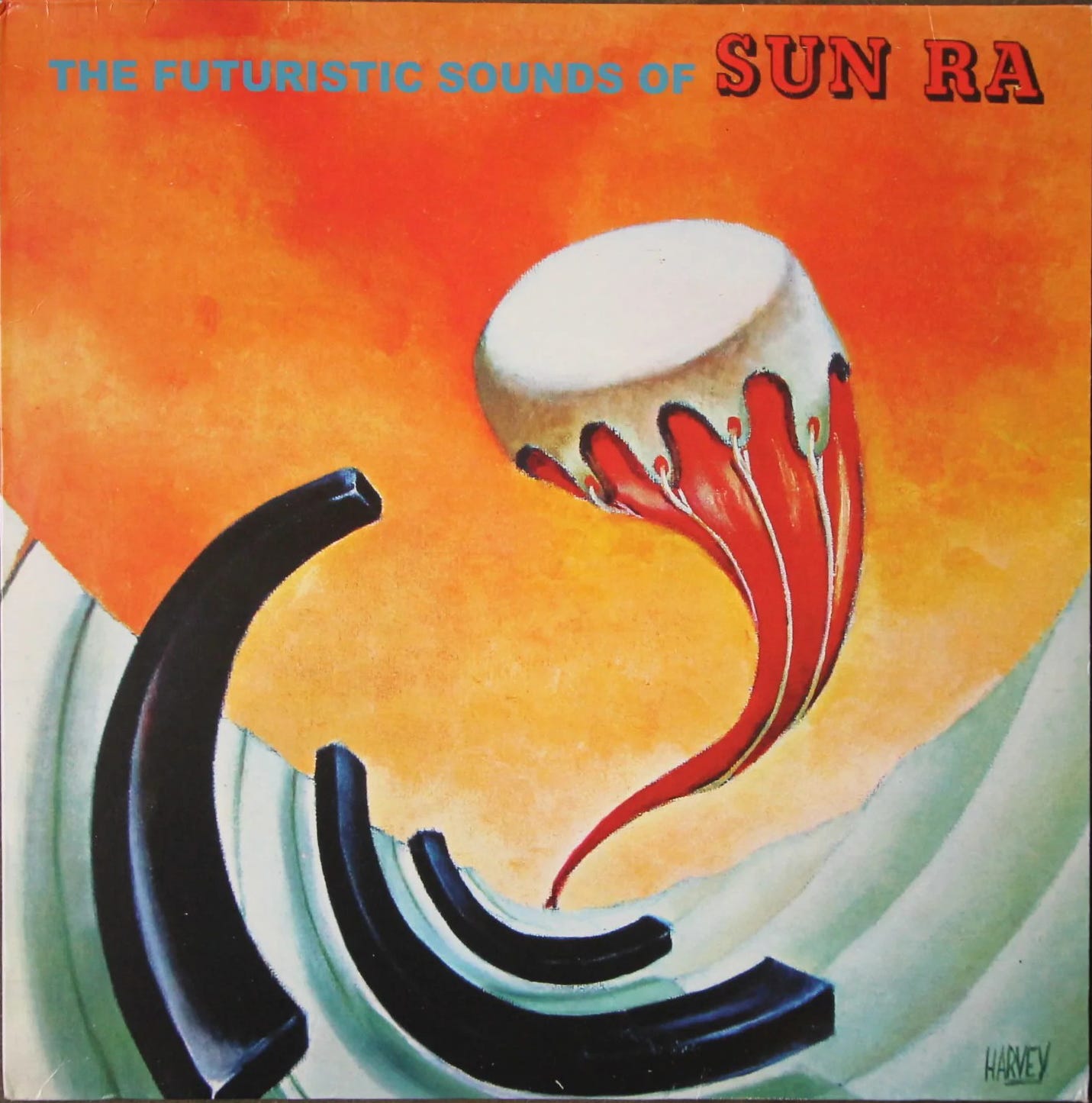
For decades, record collectors and fans of Harvey’s strange and other-worldly dreamscapes attempted to solve the mystery of his identity with little to no success. Even long-time Savoy in-house producer Rev. Lawrence Roberts said he never knew the identity of Harvey. “Harvey lived in New York and was very secretive. They would send him a title or concept and he would produce the painting.” Art scholars analyzed his naive and often childlike interpretations of biblical scenes and his Magritte-esque surrealist style, and fans congregated on message boards to posit and debunk theories about his identity. One popular hypothesis was that Harvey was actually Herman Lubinsky himself.
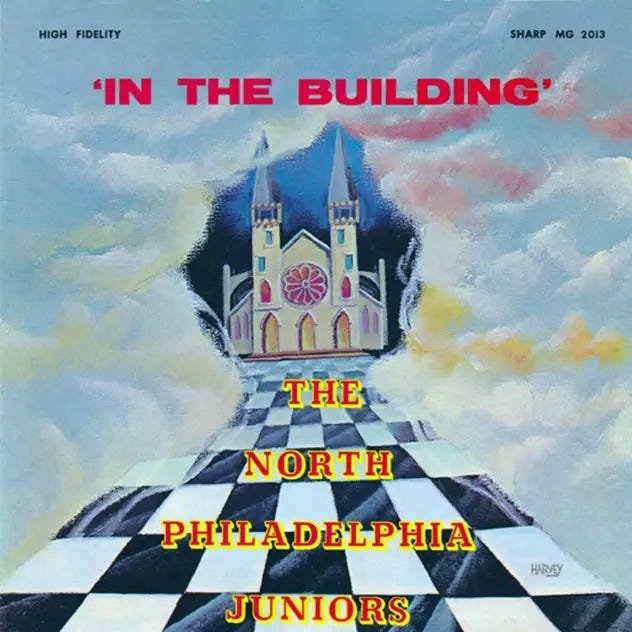
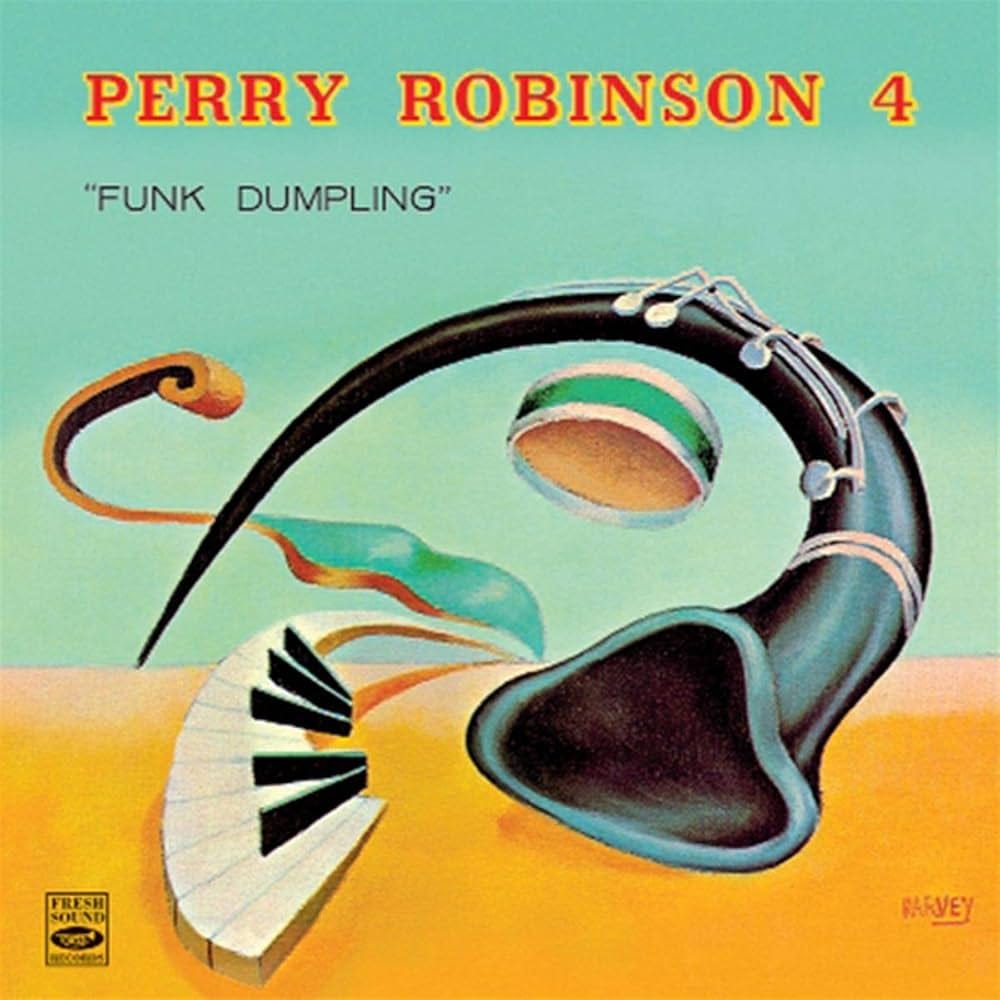
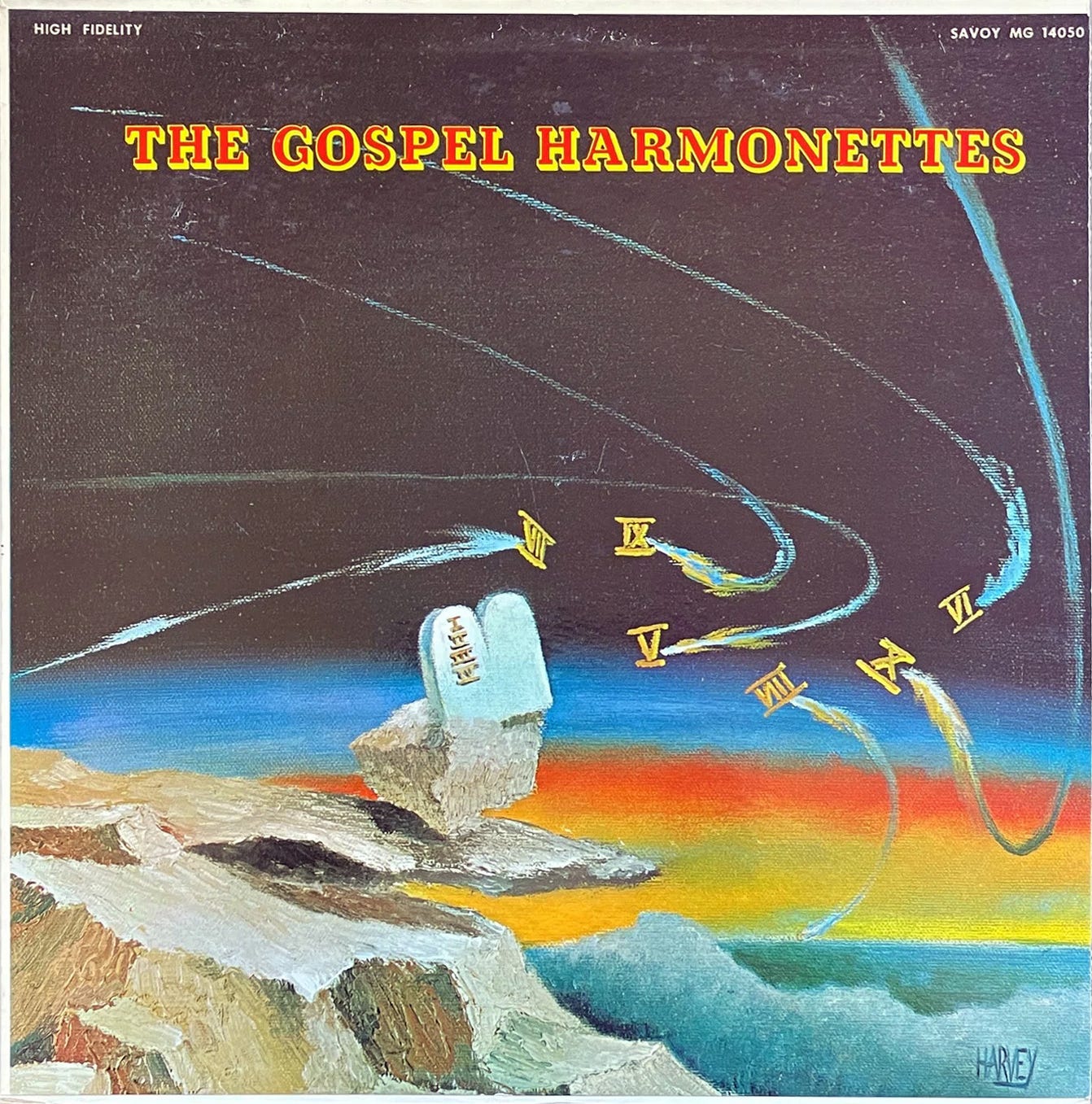
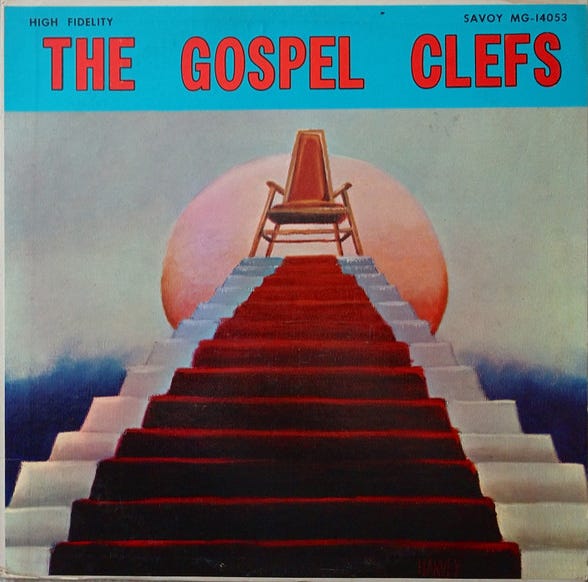
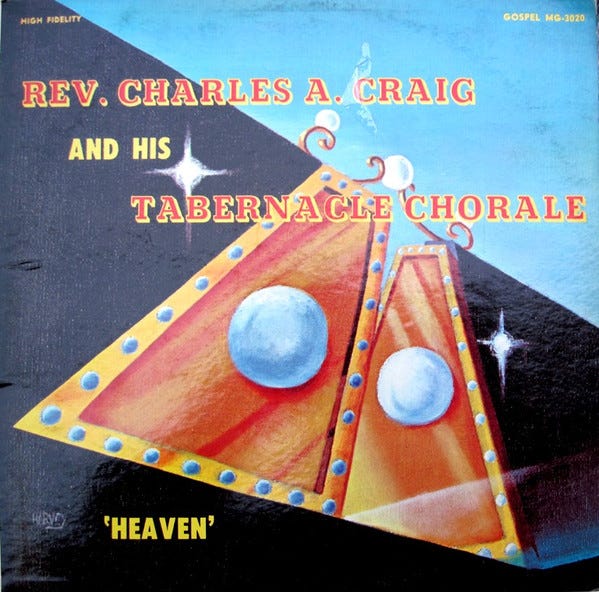
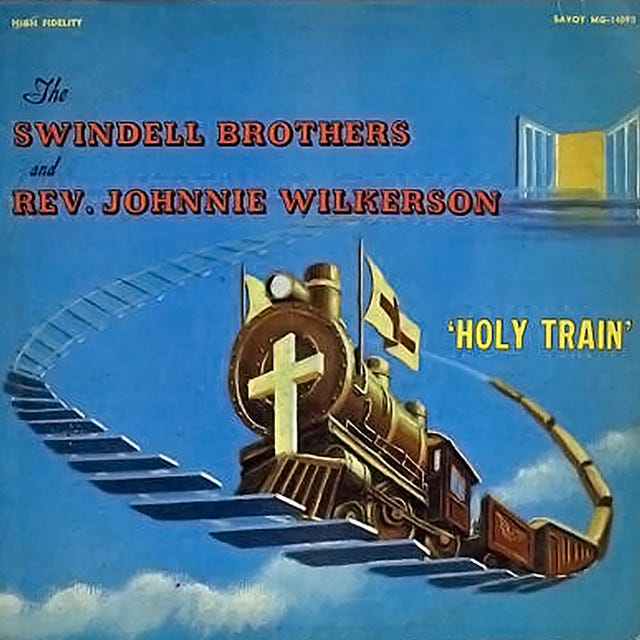
In December 2014, a woman named Margo Lee Williams commented on one of these message boards: “The "mysterious" Harvey is no mystery to me. He was my older brother.” After some vetting, it was obvious she was telling the truth. Sadly, Harvey Scott Williams passed away in 1987, but his sister and his son Keith knew a good deal about him and his art and were thrilled to discover he had developed such a cult following. Strangely, Harvey was not a particularly religious man, nor was he really a fan of gospel music. He met Lubinsky at an art fair in Greenwich Village, and was soon commissioned to create several paintings per week for Savoy Records. Lubinsky dealt with him secretly and directly and paid him a measly $25 for each painting. No records were kept.
Savoy was notorious for stiffing artists on their royalty payments and I suspect that they didn’t want Harvey to gain notoriety out of fear that he would be discovered by other labels and realize he was being severely underpaid for his work. Before Harvey, during the 40s and 50s, vinyl records were mostly sold in plain brown paper sleeves. Harvey’s prolific output coincided with the dawn of cool cover art as a vehicle to sell more albums. Looking at record covers like Nick Drake’s “Pink Moon”, Tame Impala’s “The Slow Rush” or even Pink Floyd’s “Dark Side”, you can totally see the effect this mystery man had on the medium as a whole. For further reading, check out Henry Boon’s awesome piece “Searching for Harvey”.
Most of the actual music on those original Savoy LPs is… not great. They were generally recorded very quickly (often in one day) and not very well produced - i.e. the recording quality isn’t good. There’s a lot of very un-funky organ-stompy gospel which personally is just not my bag. One exception being “The Futuristic Sounds of” Sun Ra - an absolutely gorgeous piano jazz rarity from 1962 before he got synthed-out and went completely microtonal avant-garde. It’s been on my wantlist for years but is criminally expensive (there’s a VG+ first pressing currently on Discogs for $1000 if anyone is looking for an early Chanukah gift for me). Fortunately for all of us, Concord Music, who now owns the Savoy catalog, has done an excellent job making everything available on streaming services if you’re curious to listen.

Runout groove:
Thanks for reading. More spicy takes on mens fashion coming soon...
Peace and love,

Very insightful, thanks for sharing.
Way cool! Thank you for this knowledge I didn't know I needed. I really do appreciate you taking the time